As women move through their 40s, the body changes in ways that are often subtle at first — then suddenly very obvious. Energy dips, recovery slows, sleep becomes fragile, and body composition shifts even when habits haven’t changed. This isn’t a personal failure. It’s biology. Hormonal fluctuations during perimenopause affect muscle mass, bone density, insulin sensitivity, inflammation, nutrient absorption and stress resilience.
Supplements can’t replace lifestyle foundations, but research shows they can play a meaningful supportive role when chosen well.
This guide focuses on supplements with strong evidence, not trends.
Why supplement needs change after 40 Several physiological changes occur in midlife:
- Declining oestrogen impacts bone density, cardiovascular health and muscle maintenance
- Reduced muscle protein synthesis, increasing risk of sarcopenia
- Lower stomach acid, reducing absorption of nutrients like B12, magnesium and iron * Increased cortisol sensitivity, making stress and sleep disruption more likely
- Higher inflammation, affecting joints, recovery and metabolic health This is why “just eat well” often stops being enough
1. Protein Supports muscle, metabolism, bone health and recovery
Why it matters
Muscle loss accelerates after 40 and increases further during perimenopause. Muscle isn’t just about strength — it’s metabolically protective and closely linked to longevity, insulin sensitivity and bone health.
What the science shows
Research consistently shows that higher protein intake in midlife women helps:
- Preserve lean muscle mass
- Improve strength and physical function
- Support metabolic health and fat loss
- Reduce fracture risk Many women significantly under-consume protein
Practical guidance
- Aim for 1.6–2.0g per kg of body weight per day
- Spread intake across meals (25–40g per meal is ideal)
- Protein powders are a tool, not a replacement for food
2. Creatine Supports strength, recovery, energy and brain health
Why it matters Creatine supports ATP production — the body’s primary energy system. While often marketed to men, women may benefit even more as creatine stores decline with age.
What the science shows
- Creatine supplementation in women has been shown to:
- Improve strength and power output
- Enhance training adaptations
- Support cognitive function and brain energy metabolism
- Potentially improve mood and fatigue resistance It is one of the most studied supplements in the world.
Practical guidance
- 3–5g daily, consistently
- No loading phase required
- Safe for long-term use in healthy individuals
- Works best alongside resistance training
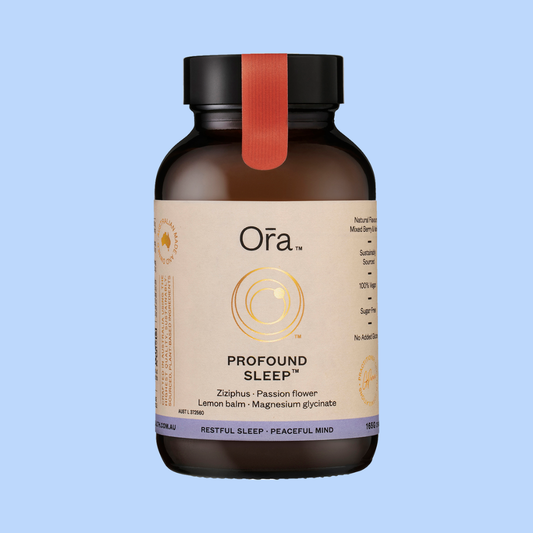
3. Magnesium Supports sleep, stress regulation, muscle function and nervous system health
Why it matters
Magnesium deficiency is common and worsens with stress, exercise, caffeine and age. It plays a central role in nervous system regulation and muscle relaxation.
What the science shows
- Adequate magnesium intake is associated with:
- Improved sleep quality
- Reduced anxiety and nervous system overactivation
- Reduced muscle cramps and tension
- Improved insulin sensitivity
Best forms of Magnesium
- Magnesium glycinate → sleep, stress, anxiety
- Magnesium citrate → digestive support
- Magnesium threonate → cognitive focus (emerging evidence)
4. Omega-3 Fatty Acids (EPA & DHA) Supports heart, brain, joints and inflammation control
Why it matters
As oestrogen declines, cardiovascular risk increases. Omega-3s help counter inflammation and support vascular and neurological health.
What the science shows
Omega-3 supplementation is linked to:
- Reduced systemic inflammation
- Improved heart health markers
- Cognitive support and memory protection
- Reduced joint pain and stiffness Practical guidance
- Look for combined EPA + DHA
- Quality matters — oxidation reduces benefit
- Algae oil is a good plant-based option
5. Vitamin D (often with K2) Supports bones, immunity, mood and muscle function
Why it matters
Vitamin D deficiency is widespread, especially in women who work indoors. Absorption and synthesis decline with age.
What the science shows
- Low vitamin D is associated with:
- Reduced bone mineral density
- Increased fracture risk
- Weakened immune response
- Fatigue and low mood Practical guidance
- Blood testing is ideal
- Often paired with vitamin K2 for calcium regulation
- Dosage varies widely depending on deficiency
6. B-Complex Vitamins Supports energy production, brain health and nervous system function
Why it matters B vitamins are critical for mitochondrial energy production and neurotransmitter synthesis. B12 absorption, in particular, declines with age.
What the science shows
Deficiencies are linked to:
- Fatigue and low energy
- Brain fog and poor concentration
- Mood disturbances
- Elevated homocysteine (cardiovascular risk) Practical guidance
- Look for bioavailable forms (methylated where appropriate)
- Particularly important for vegetarians and vegans
7. Fibre Supports gut health, hormone metabolism and blood sugar control
Why it matters
The gut plays a role in oestrogen recycling and metabolic regulation. Fibre intake tends to drop as digestion becomes more sensitive.
What the science shows
Adequate fibre intake:
- Supports gut microbiome diversity
- Helps regulate blood sugar
- Assists healthy cholesterol levels
- Supports hormone clearance pathways Practical guidance
- Food first (vegetables, legumes, seeds)
- Supplement when intake is low or digestion is sluggish Important reality check Supplements are supportive, not corrective on their own.
They work best alongside:
- Resistance training
- Adequate calorie intake
- Sleep consistency
- Stress management
- Regular movement
No supplement can override chronic under-fueling, poor sleep or excessive stress.
Frequently Asked Questions
Do women over 40 need different supplements than younger women?
Often yes. Hormonal changes, muscle loss and nutrient absorption shifts alter requirements.
Can supplements help with perimenopause symptoms?
They can support sleep, energy, recovery and stress resilience, but they are not a cure.
Should I take everything listed here? No. Supplement choices should be symptom-led and, where possible, guided by blood work.
Final takeaway
The best supplements for women over 40 support strength, recovery, energy, sleep and long-term health, not short-term fixes. Evidence-based choices, taken consistently, can meaningfully improve quality of life when paired with the right foundations.